

Threat actors to inject hidden malicious links into legitimate websites, particularly targeting the online gambling sector with devastating effectiveness.
Cybercriminals are exploiting search engine optimization techniques to manipulate Google’s ranking algorithms, using a sophisticated network of compromised websites to elevate malicious content in search results.
Recent investigations by Netcraft have revealed an organized SEO poisoning campaign utilizing a black market platform called Hacklink, which enables threat actors to inject hidden malicious links into legitimate websites, particularly targeting the online gambling sector with devastating effectiveness.
The SEO poisoning campaign operates by injecting specially crafted JavaScript code into compromised legitimate websites, creating hidden links that are invisible to human visitors but highly visible to search engine crawlers.
Unlike traditional website defacement attacks that make intrusions obvious, this technique operates covertly, leaving compromised sites appearing entirely normal to the human eye while manipulating search engine algorithms behind the scenes.
Threat actors strategically select websites based on their reputational value, particularly targeting domains with .gov, .edu, and country code top-level domains (ccTLDs) to boost the credibility of their malicious content.
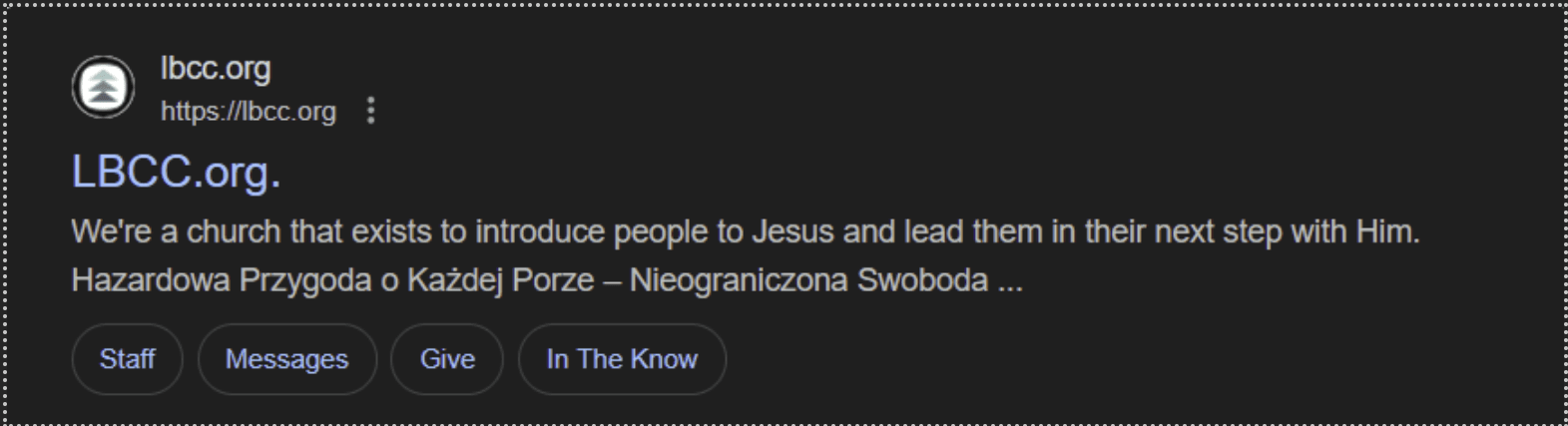
These high-authority domains are especially valuable because Google’s PageRank system assumes content from such domains is more relevant and trustworthy, effectively allowing malicious sites to inherit favorable rankings through artificial link associations.
The injected content contains networks of outbound links with carefully crafted anchor text targeting specific keywords.
When users search for relevant terms—such as gambling-related phrases—search engine results pages display both legitimate and manipulated sites ranked highly, often with the fraudulent sites appearing above trusted brands.
Black Market Platform
At the center of this operation lies Hacklink, a marketplace that allows cybercriminals to purchase access to thousands of compromised websites for as little as $1 per listing, with premium domains commanding higher prices.
The campaign has particularly focused on the Turkish online gambling market, with organized groups like “Neon SEO Academy” and “SEOLink” offering specialized services for manipulating SEO rankings for phishing and fraud.
Once injected, the malicious code typically contains links to multiple external pages, some appearing legitimate while others lead to phishing, malware, or scam operations.
The system is designed to be scalable and automated, allowing threat actors to manipulate search results across vast networks of compromised websites simultaneously.
Organizations Seek Defense Solutions
According to Report, the platform provides buyers with the ability to select specific keywords and URLs for injection, automatically inserting the necessary JavaScript into compromised sites to manipulate search rankings.
The campaign has particularly focused on the Turkish online gambling market, with organized groups like “Neon SEO Academy” and “SEOLink” offering specialized services for manipulating SEO rankings for phishing and fraud.
Key figures operating under aliases such as “Helen Wood” and “David Kaya” claim access to over 15,000 compromised sites, though the actual number is likely significantly higher.
These groups utilize Telegram, WhatsApp, and WeChat to coordinate their operations, promoting tools that allow buyers to access admin panels of vulnerable websites and insert links en masse.
The sophisticated nature of these attacks creates multifaceted threats, blending web compromise with psychological manipulation and search engine exploitation.
For industries where trust and brand integrity are paramount—including banking, fundraising, and cryptocurrency trading—the consequences can be severe.
Organizations now face the challenge of monitoring for SEO manipulation as part of their broader cybersecurity strategy, requiring specialized threat intelligence services to identify when their domains have been compromised and used in link manipulation schemes.
Find this Story Interesting! Follow us on LinkedIn and X to Get More Instant Updates.

.webp?w=356&resize=356,220&ssl=1 "Microsoft Teams Blocking Users from Accessing Embedded Office Documents")


